
When it comes to recovering from substance use, especially opioids or alcohol, there isn’t a single formula that works for everyone. People respond differently to therapy styles, peer support, and medications. For some individuals, vivitrol plays a critical role in helping them avoid relapse and maintain sobriety long-term.
If you or a loved one is exploring medication-assisted treatment (MAT) options, this guide will help you understand what vivitrol is, how it works, and how to find a vivitrol clinic in Columbus.
What Is Vivitrol?
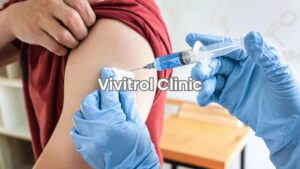
Vivitrol is the brand name for extended-release naltrexone, an injectable medication that is used to prevent relapse in individuals recovering from opioid or alcohol dependence. What makes vivitrol unique is that it is non-addictive, non-opioid, and administered only once a month.
Vivitrol works by blocking the receptors in the brain that opioids and alcohol typically bind to, making it less likely that a person will feel the usual effects if they relapse. This function helps reduce the appeal of substance use during recovery.
It is a non-narcotic medication that is not addictive and does not lead to withdrawal symptoms when discontinued. This feature sets it apart from other MAT options like suboxone or methadone, which contain opioids and must be carefully tapered to avoid withdrawal.
Learn more about Vivitrol here.
Who Can Benefit from Vivitrol?
Vivitrol is approved for:
- People with alcohol dependence, once they have stopped drinking
- People with opioid dependence, after they have completed detox and are opioid-free for 7–14 days
It’s important to understand that vivitrol is not a detox medication. It is meant to support people after they’ve completed the acute withdrawal phase. Taking vivitrol too soon after opioid use can trigger sudden and intense withdrawal symptoms.
Individuals who may benefit from vivitrol often share a few common goals:
- They want a low-maintenance medication option (one injection per month)
- They’re seeking a non-addictive MAT alternative
- They’re committed to recovery but need medical help to manage cravings
What a Vivitrol Clinic Offers
A vivitrol clinic is more than just a place to receive injections. These clinics often operate as complete recovery centers, combining medical support with counseling, therapy, and regular check-ins.
At a qualified vivitrol clinic, you can expect:
- Assessment and Eligibility Screening
Your provider will assess your medical history, substance use, mental health, and readiness for vivitrol. Blood work or urine testing may be done to confirm detox status.
- Detox Coordination (if needed)
If you haven’t fully detoxed from opioids, the clinic may help you access medically supervised detox before you begin vivitrol.
- First Injection
After medical clearance, you’ll receive your first vivitrol shot, typically in the buttock muscle. The injection is administered once every 28 to 30 days.
- Monitoring and Follow-Up
Each month, you’ll return for your next dose and follow-up evaluation. Many clinics integrate counseling, case management, or group therapy to support emotional healing alongside the medical treatment.
- Long-Term Recovery Planning
Vivitrol clinics often help individuals build a broader plan that includes relapse prevention, sober housing resources, and peer support networks.
How Vivitrol Helps Prevent Relapse
One of the hardest parts of early recovery is managing cravings and emotional triggers. For people in that fragile stage, vivitrol can serve as a safety net. By blunting the effects of substances, it takes the reward out of relapse.
That doesn’t mean vivitrol makes recovery effortless, but it gives people a better chance to focus on therapy, rebuild relationships, and learn coping skills without the constant pull of physical cravings.
Some benefits reported by individuals using vivitrol:
- Fewer intense urges to drink or use
- Increased focus during counseling and therapy
- Greater confidence in staying clean, especially in high-risk environments
Is Vivitrol Right for You?
Vivitrol isn’t suitable for everyone. You must be fully detoxed, and you need to be engaged in other aspects of recovery (such as therapy or group counseling) for the medication to be truly effective. But for the right person, vivitrol can be a powerful piece of the recovery puzzle.
You may be a good candidate if:
- You’ve already detoxed from opioids or alcohol
- You want a non-opioid MAT option
- You’re motivated to stay sober but struggle with cravings
- You’re looking for added accountability and structure
Ridgeline Recovery: Supporting You at Every Step
At Ridgeline Recovery, we work with individuals and families across Columbus who are navigating the recovery process. Whether you’re exploring vivitrol for the first time or returning to treatment after a relapse, our team is here to support your goals.
We offer:
- Assessments to help determine if vivitrol is right for you
- Referrals to trusted vivitrol clinics in Columbus
- Integration of vivitrol into broader treatment plans
- Mental health services and aftercare coordination
We believe medication is just one part of a successful recovery, and we’re here to help you build a life that supports long-term healing.
Ready to Take the Next Step?
If you’re searching for a vivitrol clinic in Columbus, don’t wait. Every step you take toward recovery matters. Vivitrol may offer the added support you need to keep moving forward
👉 Visit Ridgeline Recovery or Contact Us to discuss whether vivitrol is a fit for your recovery journey.