
Drug and alcohol addiction is a chronic disease that affects the brain’s reward, motivation, and memory systems. It’s not a moral failing or a simple lack of self-control. It’s a medical condition where substance use becomes compulsive despite harmful consequences.
Addiction causes changes in brain structure and function, making it harder for individuals to stop using even when they want to. Over time, the brain begins to prioritize the drug or alcohol over basic needs like food, relationships, and safety. This leads to a dangerous cycle that can feel impossible to escape without help.
The Science of Addiction
So why do some people become addicted, while others don’t?
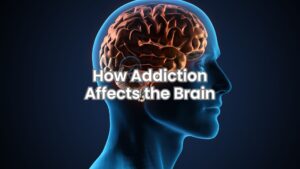
Addiction starts in the brain. Substances like opioids, alcohol, and stimulants flood the brain with dopamine, a chemical that signals pleasure. Repeated use hijacks the brain’s natural reward system, leading to cravings and a reduced ability to feel joy from everyday activities.
Genetics contribute meaningfully to addiction risk. According to a 2023 National Institutes of Health study, researchers found that multiple substance use disorders share common genetic markers, suggesting a biological basis that influences vulnerability. These genetic links also overlap with certain mental health conditions, such as depression and schizophrenia, further emphasizing the complex relationship between genetics, mental health, and substance use.
Environmental factors, such as early exposure to substance use, unstable home environments, or peer pressure,can also increase the risk. Over time, regular substance use rewires the brain, making quitting feel like an uphill battle.
The Stages of Addiction
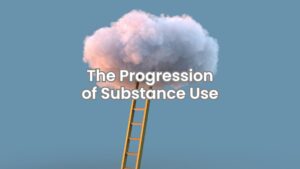
Addiction doesn’t happen overnight. It typically unfolds over several identifiable stages. Understanding these stages helps explain how someone progresses from casual use to full-blown drug and alcohol addiction:
- Initial Use – The first time a person tries a substance, often out of curiosity or social pressure.
- Reuse – Regular use begins, often for relief from stress, pain, or emotional distress.
- Tolerance – The body adapts to the substance, requiring more to get the same effect.
- Dependence – The brain becomes reliant on the substance to function normally.
- Addiction – Cravings become intense. Use is now compulsive and hard to control.
- Relapse – After a period of sobriety, individuals may return to use, restarting the cycle.
The cycle of drug and alcohol addiction mirrors this progression, making early intervention crucial to preventing further harm.

The Symptoms of Addiction
Recognizing the symptoms of drug and alcohol addiction can help you or someone you love seek help sooner. While symptoms can vary based on the substance, common signs include:
- Physical Symptoms
- Sudden weight changes
- Insomnia or oversleeping
- Deteriorating physical health
- Unexplained injuries
- Sudden weight changes
- Behavioral Symptoms
- Neglecting responsibilities
- Secrecy or lying about whereabouts
- Legal or financial problems
- Risky behavior (e.g., driving under the influence)
- Neglecting responsibilities
- Emotional and Mental Symptoms
- Mood swings or irritability
- Depression or anxiety
- Social withdrawal
- Lack of motivation or interest in hobbies
- Mood swings or irritability
If you or someone you know is showing multiple signs, it could be time to reach out for professional help.

Treatments and Therapies
The good news? Drug and alcohol addiction is treatable. With the right combination of care, support, and time, many people go on to live healthy and fulfilling lives in recovery.
Treatment usually begins with addressing both the physical and psychological aspects of addiction. This may include help with managing withdrawal, building coping strategies, and working through any underlying mental health challenges. There are main types of addiction treatment options, namely inpatient rehab, outpatient rehab, detox programs, dual diagnosis treatment, and faith-based/holistic rehab. Because every person’s experience with addiction is different, treatment plans are often customized based on individual needs, severity of addiction, and personal goals.
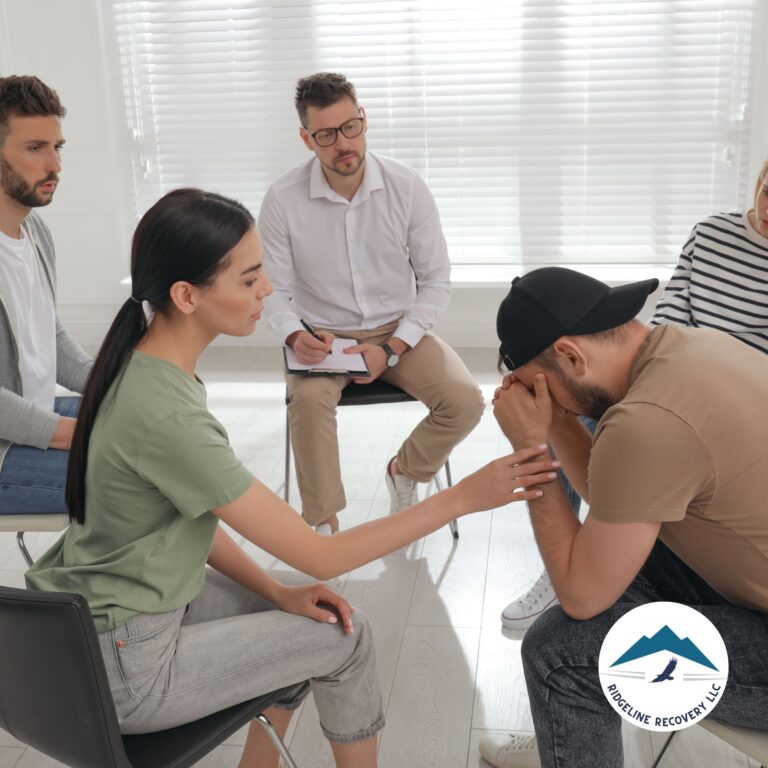
Therapy is a core part of recovery and helps individuals better understand their behavior, build healthier habits, and repair relationships. Support from peers, family, and professionals also plays a vital role throughout the journey.
The recovery process doesn’t end after the initial phase. It’s a long-term commitment. Many people benefit from continued support to help them stay on track, avoid relapse, and maintain a strong sense of purpose and connection.

Healing Starts with Ridgeline Recovery
Understanding the science of drug and alcohol addiction is the first step. The next is finding the right support.
At Ridgeline Recovery, we believe addiction is treatable, and recovery is possible. Located in Columbus, Ohio, we provide compassionate, evidence-based care for individuals and families facing drug and alcohol addiction. Our programs are designed to meet you where you are, offering everything from detox and residential care to outpatient support and aftercare planning.
If you or someone you love is struggling, don’t wait. Ridgeline provides the environment, care, and support you need to heal. We believe recovery is possible for everyone, and it starts with one step.
Take that step today.
👉 Visit Ridgeline Recovery or Contact Us to explore our programs and learn more about your treatment and recovery options.