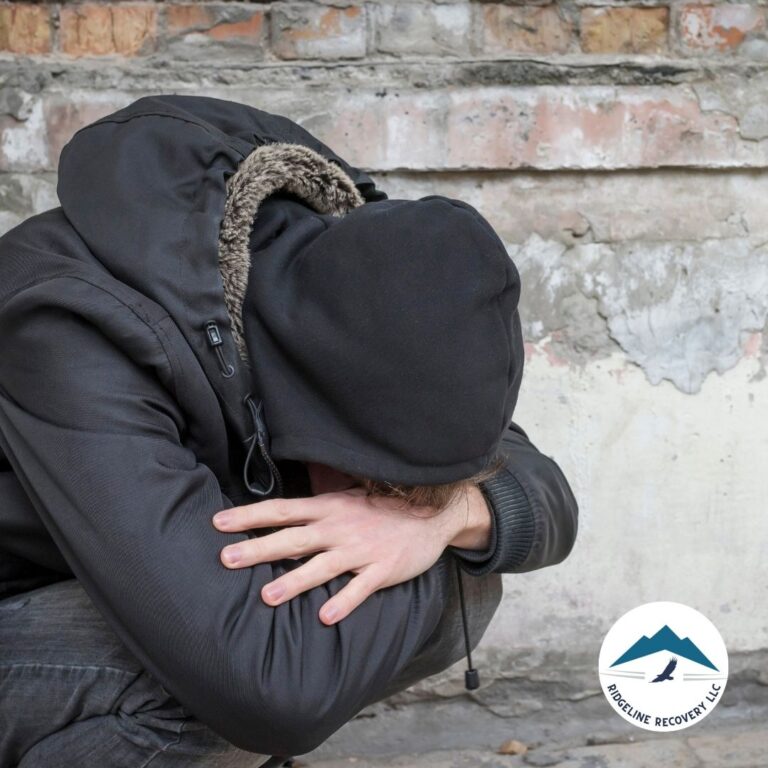

For individuals struggling with severe or long-term substance use, inpatient rehabilitation may be more than just helpful, it can be life-saving. Addiction, especially when it involves multiple substances or has persisted over time, impacts not only the brain and body but also a person’s ability to manage everyday life. In such cases, outpatient care might not provide the level of structure, safety, or support needed.
That’s where inpatient rehab steps in. With 24/7 care in a medically monitored, therapeutic setting, it offers a focused environment designed to support both stabilization and long-term transformation.
Discover what inpatient rehab truly involves, why it’s so effective for individuals with more severe addiction, and how it builds the foundation for lasting recovery, not just short-term detox.
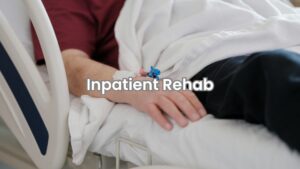
What Is Inpatient Rehab?
Inpatient rehab, also known as residential treatment, is a structured, live-in treatment program designed to help individuals recover from drug or alcohol addiction in a safe and supportive setting. Unlike outpatient programs where participants return home at the end of the day, inpatient programs require clients to live at the facility full-time for the duration of their treatment.
These programs typically include:
- Medically supervised detox
- Individual and group therapy
- Psychiatric support
- Life skills development
- Relapse prevention planning
The length of stay varies based on individual needs, but common durations are 30, 60, or 90 days.
Why Inpatient Rehab Works: Structure, Safety, and Support
One of the biggest advantages of inpatient rehab is removal from triggering environments. At home, individuals may face stressors, people, or places that encourage relapse. In an inpatient setting, those distractions are eliminated, allowing individuals to focus solely on their recovery.
Inpatient rehab helps people develop healthy habits, build support networks, and address the root causes of addiction in a focused way. This level of structure is especially critical in early recovery when cravings and emotional instability are at their peak.
Benefits of inpatient rehab include:
- 24/7 medical and emotional support
- Immediate access to licensed professionals
- Structured daily routines that support recovery
- Onsite access to therapy, medication, and peer support
- Reduced risk of immediate relapse
Who Needs Inpatient Rehab?
While any person struggling with substance use can benefit from treatment, inpatient rehab is especially recommended for:
- Individuals with a long history of substance use
- Those who have tried outpatient treatment but relapsed
- People with co-occurring mental health disorders (e.g., depression, anxiety, PTSD)
- Individuals who lack a stable, drug-free home environment
- People at risk of severe withdrawal symptoms during detox
For those facing these challenges, inpatient care can be the difference between a temporary detox and long-term sobriety.
What to Expect During Your Stay
- Intake and Assessment:
The process begins with a comprehensive evaluation of your physical health, substance use history, and mental health status. This helps the treatment team create a specialized plan tailored to your needs. - Detox:
If you’re physically dependent on substances, medical detox will be the first step. Inpatient rehab ensures this is done safely and as comfortably as possible, with 24-hour supervision and medication-assisted treatment if needed. - Therapy:
Most of your time will be spent engaging in evidence-based therapies such as:
- Cognitive Behavioral Therapy (CBT)
- Dialectical Behavior Therapy (DBT)
- Trauma-Informed Therapy
- Motivational Interviewing
- Family therapy and group sessions
These therapies help address not just the behavior of addiction but its root causes—like trauma, unresolved grief, or chronic stress.
- Life Skills & Wellness:
In addition to therapy, you’ll develop practical life skills—stress management, communication techniques, emotional regulation, and relapse prevention strategies—to prepare for a successful transition after discharge. - Aftercare Planning:
As your program nears completion, the team will work with you to develop an extensive aftercare plan, including ongoing therapy, support groups, and relapse prevention tools. This ensures you have the right support after you leave the residential setting.
The Power of Community in Inpatient Rehab
A key element of inpatient rehab is community. Being surrounded by others who understand what you’re going through reduces feelings of shame, isolation, and hopelessness. Group therapy, peer encouragement, and communal living foster a sense of connection and accountability that’s hard to replicate elsewhere.
Many individuals find their first sober friendships or support systems in inpatient rehab. These bonds often carry forward into recovery and aftercare.
Inpatient Rehab vs. Outpatient: Which Is Right for You?
While both forms of care are valid and effective, inpatient rehab offers a higher level of intensity and security. It’s often the best fit for individuals in crisis or those who have relapsed multiple times in outpatient settings.
Outpatient programs offer flexibility and the ability to continue work or family responsibilities, but that also means more exposure to triggers and less supervision. If you’ve tried outpatient care and found it hard to stay sober or if you’re dealing with co-occurring disorders or unstable home life, then inpatient rehab is worth serious consideration.
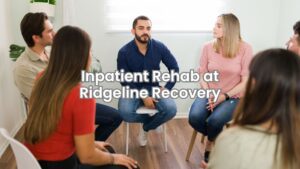
Ridgeline Recovery: Safe, Structured, Supportive
At Ridgeline Recovery in Columbus, we offer a compassionate and medically supported inpatient rehab program for individuals ready to take the next step toward healing. Our approach is evidence-based, person-centered, and deeply rooted in the belief that recovery is possible for everyone.
Whether you’re seeking detox, therapy, or long-term aftercare planning, we’re here to walk with you every step of the way. With individualized treatment plans, dual-diagnosis support, and a strong focus on aftercare, we aim to set you up for lasting success.
Begin Your Healing Journey Today
Inpatient rehab is more than just a place to get sober, it’s a space to rediscover yourself, heal from past wounds, and build a life you don’t want to escape from.
If you or someone you love is struggling with addiction, don’t wait. Reach out today. A safe, supportive, and structured path forward is possible, and it starts at Ridgeline Recovery.
👉 Contact Us to learn more or schedule an assessment.