
Mental health and addiction recovery are deeply personal journeys, and no one should have to walk them alone. While professional treatment and clinical interventions are essential, sometimes the most powerful healing happens in connection with others who have been through it too. That’s where peer support services come in.
Peer support is more than just a conversation. It’s about building trust, restoring hope, and gaining real-life guidance from someone who truly understands what you’re going through. Peer support services are becoming a cornerstone of effective recovery for good reason.
Keep reading as we dive into what peer support is, how it works, and why it can be a game-changer for individuals seeking mental health and addiction recovery in Columbus.

What Are Peer Support Services?
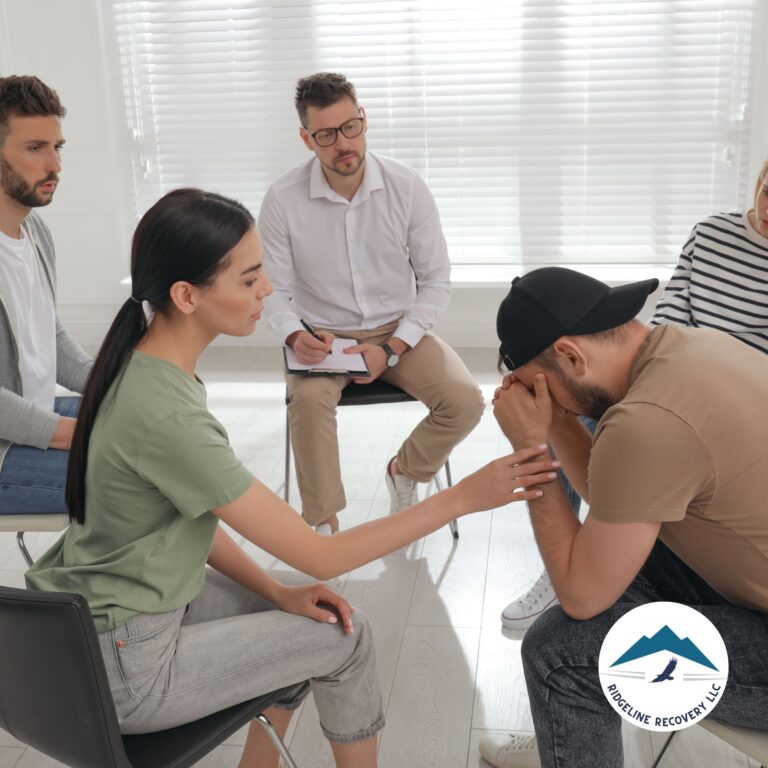
At its core, peer support involves individuals with lived experience of mental health conditions or substance use disorders providing encouragement, mentorship, and practical strategies to others currently facing similar challenges. These aren’t therapists or clinicians. They’re peers who have faced adversity, found stability, and now use that experience to uplift others.
Peer support services are structured, intentional, and grounded in empathy. Peer supporters often undergo training to ensure they can share their experiences responsibly, maintain healthy boundaries, and provide meaningful support. The goal isn’t to fix or diagnose. It’s to walk alongside someone on their path and remind them that recovery is not only possible but sustainable.
Where clinical treatment may focus on symptoms and diagnoses, peer support focuses on connection, empowerment, and shared growth. It brings a human touch that many people find incredibly validating.
Why Peer Support Matters
Peer support isn’t just a feel-good addition to recovery. It’s an evidence-based practice with growing support in the behavioral health field.
A study published in Addiction Science & Clinical Practice highlights just how effective peer support services can be, especially in high-stress environments like emergency departments. The research shows that peer-based recovery leads to:
- Reduced substance use
- Higher treatment retention
- Greater use of medications for opioid use disorder (MOUD)
- Increased engagement in 12-step or support programs
- Higher satisfaction with care
- Greater naloxone distribution
- Fewer emergency room visits and hospitalizations
In short, peer support helps people stay engaged in their recovery and avoid crisis situations. It builds a safety net made of real relationships and it works.
Real-Life Benefits of Peer Support Services
Whether you’re just beginning your recovery or are somewhere in the middle, peer support offers real, tangible benefits:
1. Empathy That’s Real
There’s something powerful about talking to someone who gets it. Peer supporters bring deep empathy born from their own experiences. This creates a space where people feel safe, understood, and not judged.
2. Practical, Lived-In Advice
Whether it’s navigating sobriety during stressful family gatherings or managing anxiety while job hunting, peer supporters offer actionable advice that’s been road-tested in their own lives.
3. Increased Engagement with Treatment
People are more likely to attend therapy, stay in programs, or reach out for help when they feel personally connected. Peer supporters often act as a motivating presence that encourages consistency and trust in the recovery process.
4. Building Connection and Community
One of the toughest parts of recovery is feeling isolated. Peer support helps build a sense of belonging and connection. When you realize you’re not alone and that others have walked similar paths and are willing to walk with you, the road forward feels a little less daunting.
Ridgeline Recovery’s Peer Support Approach
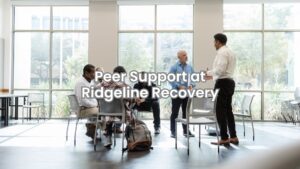
At Ridgeline Recovery, we recognize how essential human connection is to healing. That’s why peer support is integrated into our approach to care. From outpatient counseling to intensive programs, we offer peer support as a key part of the recovery experience.
Our trained peer supporters work with clients at all stages of recovery, helping them process challenges, celebrate progress, and stay engaged with their goals. They offer more than just encouragement. They provide insight, accountability, and hope.
We believe in walking alongside our clients, not in front or behind them. Whether someone is navigating early sobriety, managing co-occurring disorders, or rebuilding after a relapse, our peer supporters offer a voice of experience that reminds them that they are not alone.
Take the First Step Toward Connection
Recovery is rarely linear, and it often requires more than just clinical care. Peer support services provide that missing link between professional help and personal understanding. At Ridgeline Recovery, we’re proud to offer this vital service to those navigating the challenges of mental health and addiction.
If you’re curious about how peer support fits into your recovery journey or you’re ready to connect with someone who understands, we’re here to help.
👉 Visit Ridgeline Recovery or Contact Us to learn more about our peer support services and how we can support your next step toward healing and stability.