
For decades, the standard narrative around addiction treatment often boiled down to willpower and abstinence alone. Yet, for many struggling with substance use disorder (SUD), this approach failed to address the physical, biological reality of their chronic disease.
The good news? The field of addiction medicine has evolved, with the cornerstone of this modern, evidence-based approach being Medication-Assisted Treatment (MAT). Today, treatment is driven by decades of compelling scientific evidence that confirms a powerful truth: Addiction is a medical condition, and medical tools offer the highest chance for sustained recovery.
MAT is not a substitute for therapy. It is a critical scientific tool, FDA-approved medications combined with counseling and behavioral therapies, that dramatically increase recovery success rates. This method stabilizes the brain and body, allowing the patient to finally engage in the deep, therapeutic work necessary for long-term sobriety.
At Ridgeline Recovery, our mission is to provide every patient with the best possible chance for lasting health and a fulfilling life. That’s why our physicians leverage the clinical power of MAT to support recovery journeys.
Addiction is a Medical Condition, Treated by Medicine
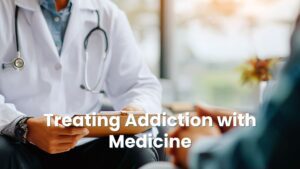
Addiction is a chronic disease that profoundly changes brain chemistry, specifically the reward pathways. Trying to treat a biological problem with willpower alone often leads to relapse, which is why traditional abstinence-only programs can struggle.
Medication-Assisted Treatment (MAT) addresses the physical component of addiction head-on. By using FDA-approved medications in combination with counseling and behavioral therapies, our physicians at Ridgeline help to normalize brain chemistry and stabilize the body.
The Three Scientific Superpowers of MAT
The medications used in MAT are not a “substitute” for one drug with another; they are therapeutic tools that serve three critical functions:
-
Reduce Cravings: Intense, overwhelming cravings are the number one cause of relapse. Medications like buprenorphine (often combined with naloxone, such as in Suboxone) or methadone engage the same opioid receptors as the substance of abuse, but without producing the dangerous “high.” This stabilization quiets the brain’s alarm system, making it possible for the patient to focus on therapy.
-
Block Effects: Medications like naltrexone (available in both oral and extended-release injectable form, known as Vivitrol) work by blocking the euphoric effects of opioids and reducing the rewarding effects of alcohol. This removes the incentive to use, protecting the patient from impulsive relapse.
-
Manage Withdrawal: The severe pain and distress of withdrawal are powerful barriers to seeking and staying in treatment. MAT drastically reduces these symptoms, making the detox and stabilization process safer and more comfortable.
The Compelling Clinical Data: MAT Saves and Changes Lives
The evidence for Medication-Assisted Treatment (MAT)’s effectiveness is not just strong; it’s unequivocal. Leading public health organizations, including the Centers for Disease Control (CDC), the National Institute on Drug Abuse (NIDA), and the Substance Abuse and Mental Health Services Administration (SAMHSA), unanimously endorse it.
1. Significantly Reduced Overdose Deaths
The most powerful argument for MAT is its ability to save lives.
-
Studies show that individuals receiving MAT (specifically methadone or buprenorphine) are approximately 50% less likely to die from an opioid-related overdose compared to those who receive no treatment.
-
This reduction in mortality is the single most important clinical outcome, turning a fatal trajectory into a hopeful one.
2. Higher Rates of Treatment Retention
Staying in treatment long enough to truly change behavior is crucial. MAT keeps patients engaged by eliminating the daily struggle with intense physical cravings and withdrawal.
-
Research consistently shows that patients in MAT programs are more likely to remain in treatment for a sustained period compared to those receiving behavioral therapy alone.
-
Improved retention is directly linked to better long-term recovery outcomes, as it gives the patient ample time to develop coping skills and address underlying issues in therapy.
3. Dramatic Improvement in Quality of Life
The benefits of MAT extend far beyond simple abstinence. By stabilizing the body and mind, MAT empowers patients to rebuild their lives.
| Benefit | Clinical Impact |
| Increased Employment | Patients regain stability and clarity, improving job acquisition and retention rates. |
| Decreased Criminal Activity | Reduces the need for drug-seeking behavior and related crime. |
| Improved Social Functioning | Patients are able to repair relationships and re-engage positively with their family and community. |
| Reduced Disease Transmission | Lower rates of infectious diseases like HIV and Hepatitis C linked to IV drug use. |
The Ridgeline Difference: Comprehensive, Integrated Care
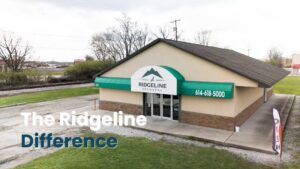
At Ridgeline Recovery, we recognize that Medication-Assisted Treatment (MAT) is a tool, not a complete solution. This is where our integrated approach comes into play.
We never prescribe medication in isolation. Every patient on an MAT regimen at Ridgeline is enrolled in a comprehensive program that includes:
-
Individual & Group Counseling: Addressing the root causes of addiction, trauma, and co-occurring mental health issues (e.g., anxiety or depression).
-
Behavioral Therapies: Using evidence-based modalities like Cognitive Behavioral Therapy (CBT) to change destructive thought patterns and behaviors.
-
Holistic Wellness: Integrating mindfulness, physical activity, and nutritional guidance to heal the whole person—body, mind, and spirit.
The combination of a stabilized brain (via MAT) and rigorous, evidence-based therapy is the foundation for a successful, long-term recovery.
If you or a loved one are struggling with the constant cycle of craving and relapse, know that there is a scientifically proven, compassionate path forward. Our medical team is ready to assess your needs and tailor an MAT plan that works for you.
Are you ready to learn more about how Medication-Assisted Treatment (MAT) can be the crucial step in reclaiming your life? Contact us today at Ridgeline Recovery in Columbus for a private consultation.