
A Personal Journey into the World of Recovery
Before Ridgeline Recovery ever opened its doors in Columbus, there was a turning point. One that began not in a boardroom or a business plan, but with a shift in perspective.
In a candid video interview, Ridgeline Recovery founder Andy Danec shared a personal and powerful story—one that shines a light on how the center came to be. “I understood the concept of running a recovery agency about five years ago,” he says. “But I didn’t connect the dots that there was actually a business model to help people going through addiction or mental health struggles.”
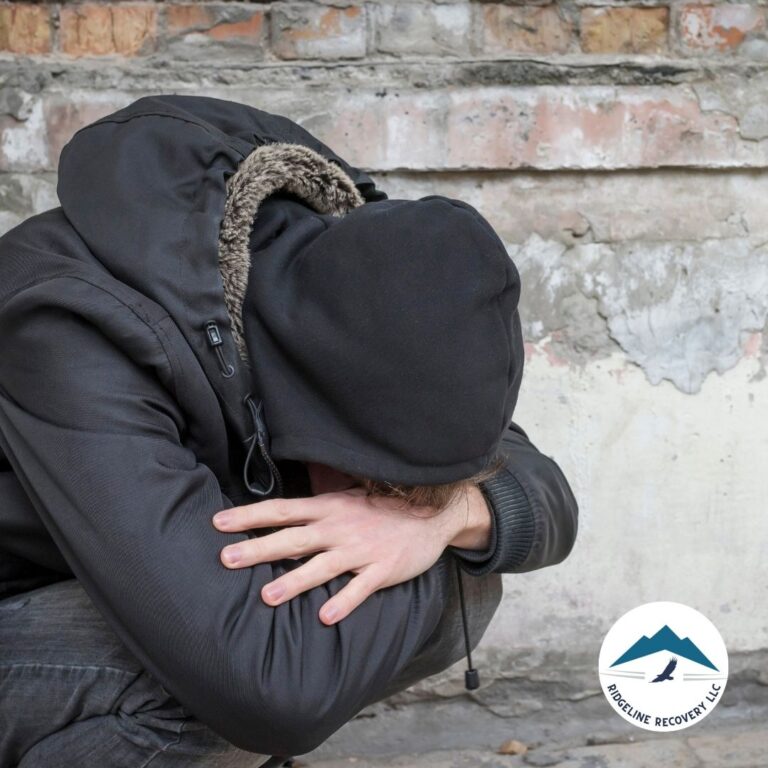
Like many people, he once held a limited view of addiction. His view of addiction had been shaped by stereotypes—things seen on TV or in passing encounters on the street. “I used to see people asking for money and make assumptions,” he admits. “I thought they were just trying to buy drugs. I didn’t see them as people.”
But all that changed when close friends introduced him to the world of recovery, into something much deeper: the human side of addiction. The truth that behind most people struggling with substance use or mental health, there is pain. There is trauma. There is a story that hasn’t been heard.
“These folks that are dealing with addiction… they are human beings. Most of them have had something pretty traumatic happen in their life.”
That simple realization sparked a new mission: to build a place where people could be seen as people—not problems. A place where trauma was acknowledged, healing was possible, and no one was reduced to a stereotype. It was no longer about assumptions. It became about connection, care, and giving people the dignity they deserve.
And if you’re new to understanding addiction, this research is a great place to begin—offering clarity and evidence behind the addiction treatments making a real difference today.
The Heart Behind Ridgeline
What makes Ridgeline Recovery different isn’t just the programs. It’s the posture. The humility of knowing that healing starts when we stop judging and start listening.
The founder’s story isn’t just about a career pivot. It’s about seeing the sacredness of recovery. It’s about meeting people in their hardest moments and walking with them toward something better.
It’s about creating a space where people feel seen, heard, and safe.
That belief is now woven into everything Ridgeline Recovery does, from how the team treats each client to the types of services offered, like Medication-Assisted Treatment, Partial Hospitalization, Aftercare Support, and more.
Because when you understand someone’s story, it changes how you help them write the next chapter.
It all begins with a single moment of clarity and the willingness to see people differently.
Recovery as a Sacred Space
Founder Andy refers to the recovery world as a “very sacred place.” That choice of words matters.
It reminds us that healing isn’t just clinical. It’s deeply human. It takes trust, patience, and community.
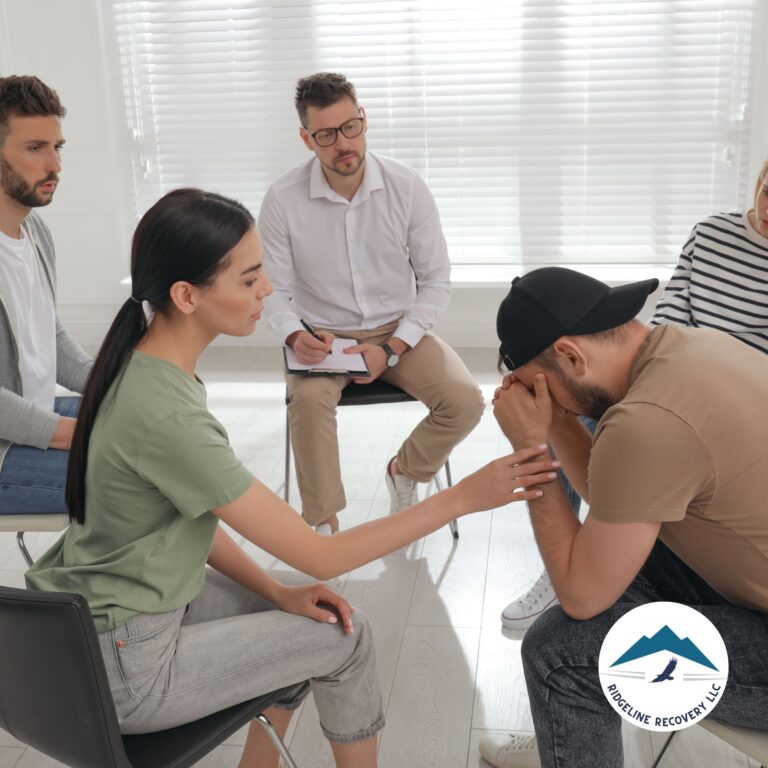
At Ridgeline Recovery, the goal is to strip away the fear and replace it with connection. Every person who walks through the doors is met with compassion, not judgment. The team understands that most people aren’t just dealing with addiction. They’re dealing with pain. Whether it’s trauma, loss, or untreated mental health challenges, recovery begins when people feel safe enough to face it all.
Watch the Full Interview
Want to hear the full story, straight from our founder?
Watch the video here →
Take the First Step Toward Healing
Whether you’re seeking support for yourself or a loved one, Ridgeline Recovery is here to walk with you every step of the way.
Explore our page or contact us to learn more about our services.
You’re not just entering an addiction treatment center. You’re stepping into a place of understanding, healing, and hope. Your path forward starts here.