

For many individuals and families, seeking alcohol rehabilitation services begins during periods marked by significant stress, health concerns, or noticeable behavioral changes related to alcohol use. Whether you’re seeking support for yourself or someone close to you, it’s essential to begin with a clear understanding of alcohol addiction and how it affects every aspect of life.
Alcohol addiction, clinically referred to as alcohol use disorder (AUD), is not simply excessive drinking. It is a chronic, relapsing condition that alters brain function, influences behavior, and impacts physical and emotional well-being. Because alcohol use is widely accepted in social and professional settings, the early signs of addiction are frequently overlooked until serious consequences emerge.
This article outlines the nature of alcohol addiction, highlights key warning signs, corrects common myths, and emphasizes why alcohol rehab can be a pivotal step toward recovery.

What Is Alcohol Addiction?
Alcohol use disorder is a medically recognized condition in which an individual loses control over their drinking habits, despite experiencing negative consequences. This lack of control is the defining characteristic of addiction. It shifts drinking from a voluntary action to a compulsive need.
Individuals suffering from AUD may:
- Experience intense cravings for alcohol
- Attempt but fail to reduce or stop drinking
- Continue to drink even when it causes harm to relationships, health, or employment
Importantly, AUD is not a matter of willpower or moral weakness. It is a medical issue rooted in brain chemistry and behavioral conditioning. Professional treatment is often required to interrupt these patterns and support lasting recovery.
Recognizing the Signs: Dependence vs. Casual Use
Not every drink signals a problem. But when alcohol use begins to affect your health, relationships, or daily life, it’s time to take a closer look. Understanding the difference between casual drinking and alcohol dependence can help you identify when occasional use becomes a deeper concern.
Consider the following comparison:
| Casual Use | Alcohol Dependence |
| Drinks occasionally or moderately | Drinks frequently, often daily or in large quantities |
| Can stop after one or two drinks | Has difficulty stopping once drinking begins |
| Experiences no negative consequences | Faces health, work, or relationship issues due to alcohol |
| No physical cravings or withdrawal | Experiences cravings or withdrawal symptoms |
Additional warning signs may include:
- Drinking in secret
- Developing a higher tolerance
- Feeling anxious or irritable when not drinking
- Using alcohol as a way to manage emotions or stress
Understanding Why Alcohol Cravings Happen
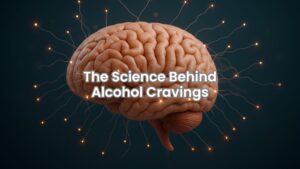
Understanding the biological aspect of alcohol addiction is essential. Alcohol stimulates the release of dopamine, a neurotransmitter linked to pleasure and reward. Over time, the brain begins to associate alcohol consumption with feeling “normal,” making it harder to resist the urge to drink.
This neurological shift creates a feedback loop, reinforcing dependency. As a result, cravings become not just psychological, but physiological. Effective treatment often involves:
- Behavioral therapy to retrain thought and response patterns
- Medications to rebalance brain chemistry
- Peer support groups that reduce isolation and promote accountability
Health Impacts of Long-Term Alcohol Use
Long-term alcohol misuse affects nearly every system in the body and mind. Some of the most common consequences include:
Mental Health:
- Depression and anxiety disorders
- Memory loss and cognitive decline
- Increased risk of suicidal ideation
Physical Health:
- Liver damage, including cirrhosis and hepatitis
- Heart disease and elevated blood pressure
- Weakened immune function
- Increased risk of cancers (e.g., liver, esophagus, breast)
Initiating treatment early through alcohol rehab can significantly reduce these risks and promote lasting recovery.

Dispelling Myths About Alcohol Addiction
Misinformation contributes to stigma and often delays treatment. Here are three common myths and the truths behind them:
Myth 1: “They’re functioning well, so they must not be addicted.”
Truth: Many individuals with AUD maintain jobs and responsibilities, masking their addiction.
Myth 2: “If they wanted to quit, they would.”
Truth: Addiction disrupts the brain’s decision-making and reward systems. Quitting requires more than willpower. It requires support.
Myth 3: “Rehab is only for people who’ve hit rock bottom.”
Truth: Rehab is appropriate at any stage. Early intervention can prevent worsening health, relationship damage, or job loss.
Understanding addiction as a medical condition, not a moral failure, is the first step toward removing shame and encouraging people to seek help.

Why Alcohol Rehab Is Essential
If you or a loved one is experiencing signs of alcohol addiction, know that help is available and effective. Alcohol rehab offers a range of services designed to meet individuals where they are, whether they require intensive inpatient support or more flexible outpatient care.
Treatment options often include:
- Medical detox to safely manage withdrawal symptoms
- Individual and group therapy to address the root causes of addiction
- Mental health support for co-occurring conditions
- Aftercare planning to sustain long-term sobriety
Take the First Step Toward Healing
Recognizing alcohol addiction is courageous. Acting on that recognition is transformative.
If you’re in Columbus, Ridgeline Recovery provides compassionate, evidence-based care for individuals struggling with alcohol use disorder in Columbus. From detox and therapy to long-term support, we are here to help you reclaim your life.
👉 Visit Ridgeline Recovery or Contact Us to speak with a recovery specialist today.
You don’t have to face this alone. Recovery starts here.