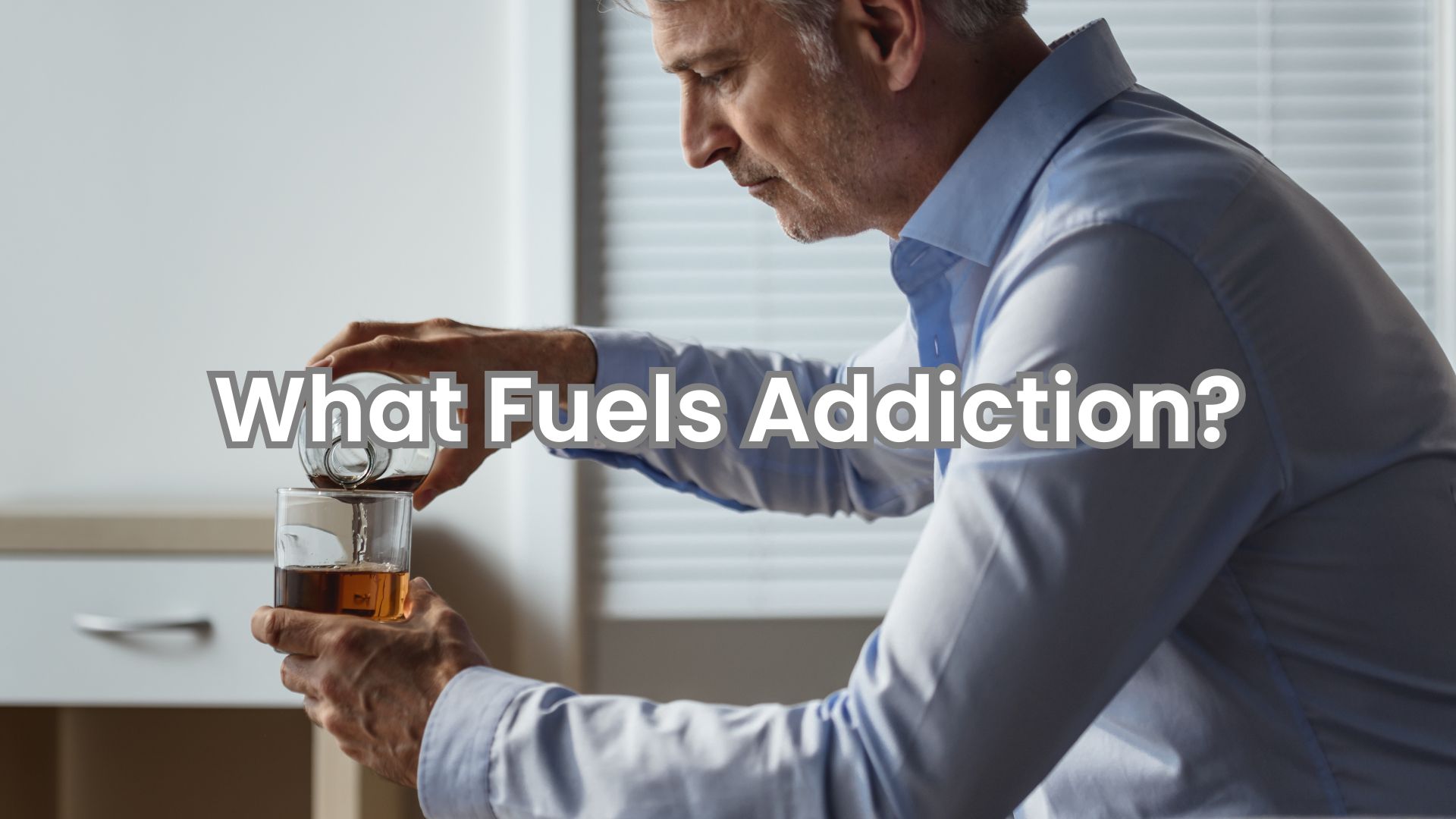
Addiction can feel like a heavy weight, leaving you isolated and unsure where to turn. Whether you’re struggling yourself or supporting someone whose pain is real, recovery is possible. And it starts with understanding what addiction truly is.

Addiction is a complex condition that doesn’t develop overnight. It often begins as a way to cope with stress, emotional pain, or difficult life circumstances. At first, using substances or engaging in addictive behaviors may provide temporary relief or a sense of escape. However, what starts as temporary relief can turn into a cycle that feels impossible to break.
But understanding addiction is the first step toward breaking free from it. By acknowledging the root causes and patterns that lead to addiction, individuals can begin to recognize the triggers and take the necessary steps toward healing.
How Addiction Begins: A Look at the Cycle
| Stage | Description |
| Initial Experimentation | People may try substances or behaviors out of curiosity, social pressure, or a desire to cope with stress or emotional pain. |
| Escalation | Over time, the behavior or substance use increases as the brain starts to crave the temporary relief it provides. |
| Dependence | The brain and body become reliant on the substance or behavior, leading to withdrawal symptoms when not used. |
| Addiction | At this point, the addiction becomes all-consuming. The individual feels a loss of control and the behavior or substance use continues despite negative consequences. |
| Cycle of Despair | Shame, guilt, and isolation often set in, making it harder to ask for help. This stage deepens the addiction, creating a continuous, painful cycle. |
Healing from addiction is not a linear process, but it’s a journey that begins with a commitment to change. It requires patience, self-compassion, and a willingness to seek the help and support necessary to break the cycle of dependence. While every recovery journey is unique, there are key steps that can guide individuals toward lasting healing and sobriety.
The path to recovery starts with understanding that healing isn’t about perfection—it’s about progress. Each small step is a victory, and the process involves rebuilding trust, addressing underlying emotional or psychological issues, and creating a support network. Recovery also involves addressing the mind, body, and spirit, as addiction impacts all aspects of a person’s well-being.
Steps Toward Healing: A Roadmap to Recovery
| Step | Description |
| Acknowledging the Problem | The first and most important step is admitting that there is a problem. Facing the reality of addiction is crucial to moving forward. |
| Seeking Professional Help | Professional counseling, therapy, and addiction treatment programs are necessary to guide individuals through the recovery process. |
| Building a Support System | Surrounding yourself with a strong support network, whether through family, friends, or support groups, helps create an environment of encouragement and accountability. |
| Detoxification | In many cases, detoxifying the body from substances under medical supervision is essential for physical recovery and preparing the body to heal. |
| Therapy and Counseling | Engaging in therapy helps individuals understand the underlying causes of addiction, develop healthy coping mechanisms, and work through emotional challenges. |
| Developing Healthy Routines | Creating a structured daily routine that includes healthy activities such as exercise, meditation, or hobbies can provide stability and reduce cravings. |
| Relapse Prevention | Learning strategies to prevent relapse, such as recognizing triggers and creating action plans, is crucial for maintaining long-term sobriety. |
| Ongoing Aftercare | Recovery doesn’t end after initial treatment. Ongoing aftercare, such as regular therapy sessions, support group participation, and self-care practices, helps maintain progress. |

When it comes to addiction recovery, finding the right support can make all the difference. At Ridgeline, we understand the challenges and complexities that come with addiction. Recovery is a journey that takes time, effort, and the right guidance—and we’re here to walk with you every step of the way.
Located in Columbus, Ohio, Ridgeline is committed to providing the care and support individuals need to overcome addiction. Our approach focuses on both the mental and physical aspects of recovery, ensuring that each person receives the support they need to heal in a way that aligns with their unique experiences and challenges. From therapy to group sessions, detoxification to aftercare, Ridgeline offers a variety of services that cater to every stage of recovery.
Ridgeline vs. Other Addiction Recovery Options
| Feature/Service | Ridgeline Recovery | Other Providers |
| Individual Therapy | Focuses on personal growth, addressing root causes, and emotional healing. | Often limited to group sessions or less individualized attention. |
| Group Therapy | Small, supportive group settings that foster community and shared experiences. | Can vary in size and may lack a sense of intimacy or connection. |
| Detoxification Services | Medically supervised detox to ensure safety during withdrawal. | Detox may not be medically supervised or could lack a comprehensive plan. |
| Ongoing Aftercare | Continuous support with access to therapy, support groups, and relapse prevention strategies. | Aftercare options may be limited or non-existent. |
| Holistic Approaches | Integrating mind, body, and spirit through wellness activities, mindfulness, and healthy routines. | Focus tends to be solely on the substance, neglecting holistic healing. |
| Family Support | Offering family counseling and education to improve family dynamics. | Family involvement may not be prioritized or structured. |
Start Your Recovery with Ridgeline
You don’t have to do this alone. At Ridgeline, we help individuals across Columbus take the first step toward healing. Whether you’re just starting or ready to deepen your recovery, we’re here for you.
Learn more at Ridgeline Recovery or Contact Us today.
You’ve made it this far. The next step is yours.